

Introduction: The Hidden Culprit Behind Persistent Algae
Many pool owners in South Africa face the recurring issue of algae growth, particularly in specific areas of the pool, like the corners. Despite regular chemical treatments, these algae hotspots persist, leading to frustration and confusion. The root cause often lies not in the chemicals used but in the pool's circulation system. Understanding and improving pool circulation can be a more effective solution than merely increasing chemical usage.
Understanding Algae Hotspots and Dead Zones
What Are Algae Hotspots?
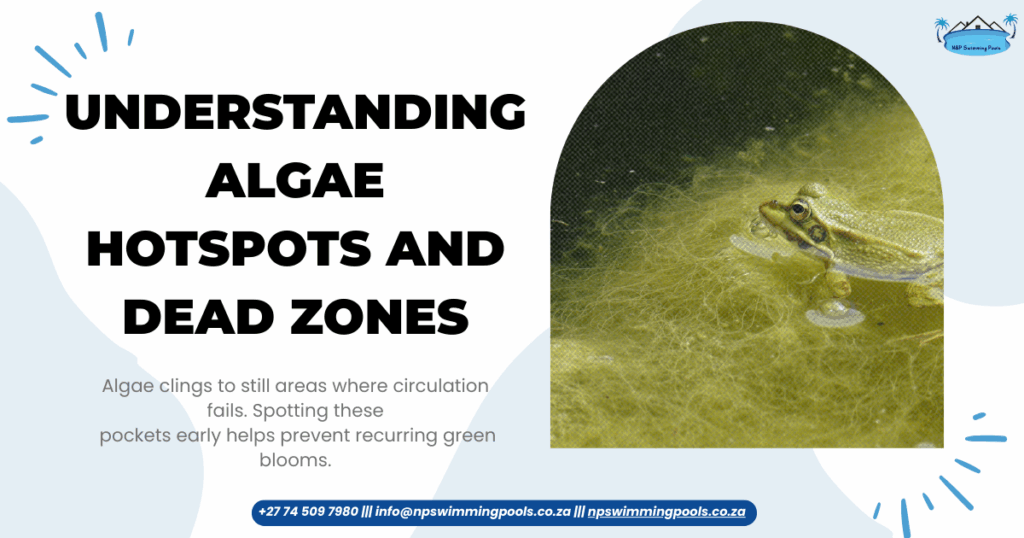
Algae hotspots are areas in the pool where algae growth is more prevalent. These zones often include corners, steps, and areas behind ladders where water movement is minimal. Algae thrive in these stagnant areas due to the lack of proper circulation, which allows them to settle and multiply.
The Role of Dead Zones
Dead zones are regions in the pool where water circulation is insufficient. These areas become breeding grounds for algae because debris and nutrients accumulate, providing an ideal environment for algae to flourish. Identifying and addressing these dead zones is crucial in managing algae growth effectively.
Diagnosing Circulation Issues
Visual Indicators
One of the first signs of poor circulation is the accumulation of debris in certain areas of the pool. If leaves and dirt consistently gather in specific spots, it indicates that the water is not circulating properly to move them to the skimmer.
Temperature Variations
Using a pool thermometer to check water temperature at various points can reveal circulation problems. Cooler spots often signify stagnant water, as proper circulation helps distribute heat evenly throughout the pool.
Flow Testing
Introducing a non-toxic dye into the pool can help visualize water movement. Observing how the dye disperses can highlight areas with poor circulation. These areas are where algae are likely to develop.
Enhancing Pool Circulation: Practical Solutions
Adjusting Return Jets
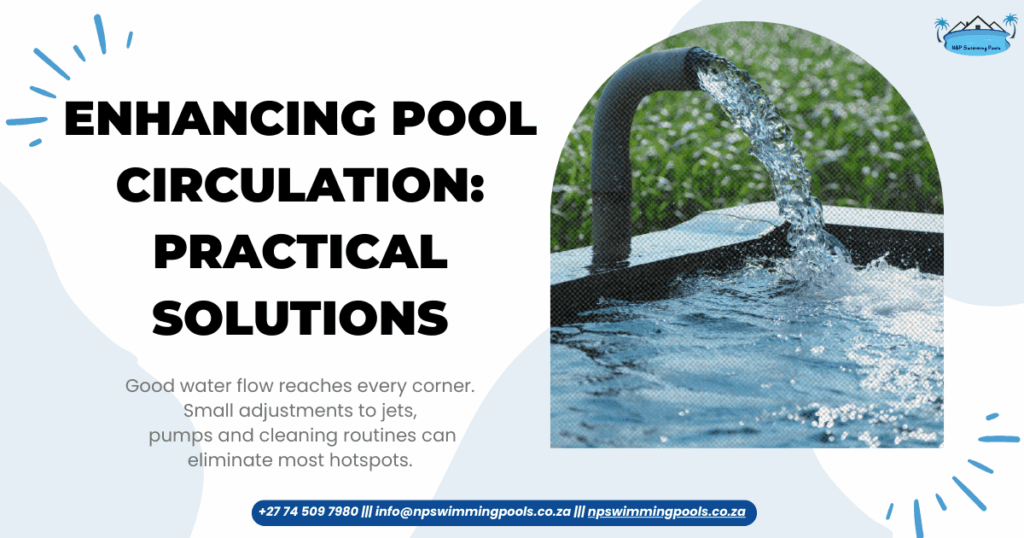
Properly positioning return jets can significantly improve water circulation. Aiming jets downward and towards the skimmer promotes a circular water flow, aiding in debris collection and preventing stagnant areas. This adjustment ensures that water moves efficiently throughout the pool, reducing the likelihood of algae hotspots. Swim University
Repositioning Skimmers
Skimmers should be placed to maximize debris collection. Positioning skimmers on the downwind side utilizes natural wind patterns to direct debris towards them. Ensuring skimmers are unobstructed and functioning correctly helps maintain optimal circulation and prevents algae growth. Green Scene Landscaping & Pools
Regular Brushing and Vacuuming
Regular brushing and vacuuming help dislodge debris and algae from pool surfaces. Brushing walls and floors weekly, especially in areas with poor circulation, prevents algae from attaching and spreading. Vacuuming removes dirt and debris that may not be caught by the filter, further improving water quality. pooloperationmanagement.com
Addressing South African Pool Challenges
South Africa's unique climate presents specific challenges for pool maintenance. High UV levels accelerate algae growth, while variable water quality can affect pool chemistry. To combat these challenges, regular water testing is essential to monitor pH, chlorine, and alkalinity levels. Using algaecides during peak growth periods, particularly in summer months, can help prevent algae blooms. Maintaining consistent water levels by topping up pools regularly compensates for evaporation, ensuring proper circulation and chemical distribution. Procompare
The Role of Chemical Treatments
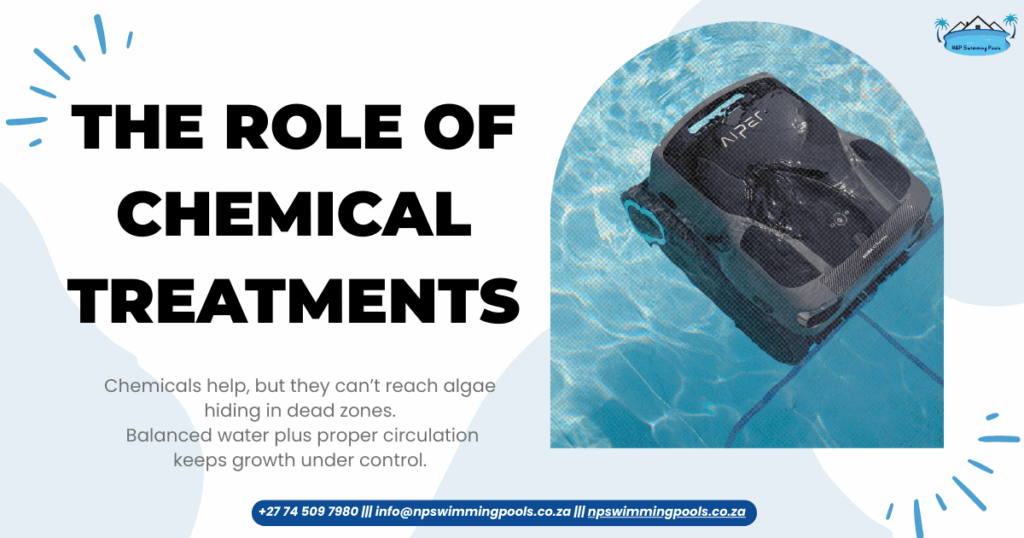
While improving circulation is paramount, chemical treatments still play a vital role in algae prevention:
- Maintain Proper Chlorine Levels: Aim for 1 ppm to 3 ppm to inhibit algae growth.
- Use Shock Treatments Periodically: Especially after heavy pool use or after rainstorms.
- Apply Algaecides as a Preventive Measure: Particularly during warmer months.
Balancing chemical treatments with improved circulation ensures optimal pool health.
Practical Tips for Pool Owners
- Regularly Inspect and Clean Circulation Components: Ensure pumps, filters, and jets are functioning correctly.
- Educate Household Members: Make them aware of the importance of maintaining pool circulation.
- Seek Professional Advice When Needed: If circulation issues persist, consult a pool maintenance expert.
Conclusion
Addressing algae growth in pools requires a holistic approach that goes beyond chemical treatments. By understanding the importance of circulation, identifying dead zones, and implementing practical solutions, pool owners can maintain clean and healthy pools. For South Africa's challenging climate, these steps are particularly crucial to ensure year-round pool enjoyment.
