

Saltwater pools are often praised for their low-maintenance appeal and swimmer-friendly water. However, when a salt chlorinator begins to underperform or fails, it can lead to unexpected challenges. Understanding the root causes of chlorinator issues, particularly in areas with hard water like Johannesburg and surrounding regions, is essential for effective troubleshooting and maintenance.
Understanding the Role of a Salt Chlorinator
A salt chlorinator is a device that converts salt added to the pool water into chlorine through a process called electrolysis. This continuous process eliminates the need for manual chlorine additions, offering a more consistent and stable sanitization method. However, the efficiency of this system is contingent upon balanced water chemistry and regular maintenance.
Recognizing Symptoms of Chlorinator Malfunction
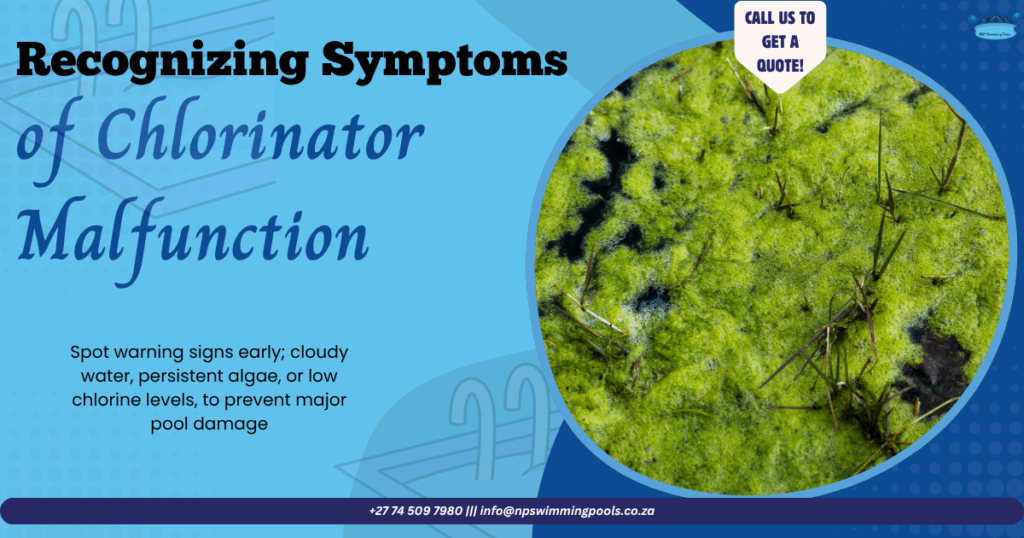
Identifying early signs of chlorinator failure can prevent prolonged issues and costly repairs. Common indicators include:
1. Reduced Chlorine Output
- Cloudy Water: The most immediate sign is often cloudy pool water.
- Algae Growth: Persistent algae indicates insufficient chlorine to keep the water sanitized.
2. Diagnostic Alerts
- Error Messages: Modern chlorinators use display panels to signal problems.
- Warning Lights: Illuminated warning lights are a clear indicator of a malfunction.
3. Physical Indicators
- Scale Buildup: Visibly inspect the salt cell for mineral deposits, which can impede function.
- Unusual Noises: A change in the chlorinator's operational sound can point to internal issues.
Addressing these signs promptly can prevent further damage and expensive repairs.
Understanding the Impact of Hard Water on Chlorinators
In regions like Johannesburg, where municipal water hardness often exceeds 200 ppm, the presence of calcium and magnesium can lead to scale formation on the chlorinator's electrodes. This scale acts as an insulating layer, hindering the electrolysis process and reducing chlorine production. Over time, this can lead to permanent damage if not addressed promptly (Nimbus Water).
Diagnosing and Addressing Electrode Scale Buildup
Suspect scale accumulation? A thorough inspection is needed:
- Visual Check: Take out the salt cell and look at the electrodes for white, chalky calcium deposits.
- Cleaning: Use a diluted acid solution for minor scale, following manufacturer guidelines to prevent cell damage.
- Professional Help: If scale is extensive or doesn't go away, consult a pool professional to avoid further damage.
Preventive Measures to Extend Chlorinator Lifespan
Implementing regular maintenance routines can significantly prolong the life of a salt chlorinator:
- Regular Cleaning: Periodically inspect and clean the salt cell to remove any scale buildup.
- Water Chemistry Management: Maintain balanced pH, alkalinity, and calcium hardness levels to minimize scale formation.
- Use of Sequestering Agents: In areas with hard water, these chemicals can help prevent minerals from precipitating onto the electrodes.
When to Seek Professional Assistance
While many issues can be resolved with routine maintenance, professional intervention is necessary for certain situations:
- Persistent Scale Issues: If cleaning doesn't improve performance, the scale may have caused permanent damage.
- Electrical Problems: Issues with the control board or wiring demand specialized knowledge and tools.
- Component Replacement: Due to wear and tear, components such as the salt cell will eventually need to be replaced.
Conclusion
Salt chlorinators are crucial for saltwater pool efficiency. Consistent performance and extended system life depend on understanding hard water challenges and proactive maintenance. Vigilance and prompt issue resolution ensure pool owners enjoy clear, sanitized water with minimal effort.
