


Introduction: Why Pool Repair Really Matters
Owning a pool... well, it’s a dream for many. There’s something about having your own private oasis, a cool retreat on hot days, that feels like luxury. But with that dream comes responsibility. Pools aren’t just “set and forget” backyard features. They demand care, attention, and yes, sometimes costly repairs.
Here’s the tricky part: pool repair is often a necessary evil that no one wants to face until something goes wrong. Yet, ignoring small problems or rushing into repairs without proper knowledge can turn a manageable issue into a financial nightmare. It’s honestly easy to underestimate just how complex pool maintenance and repair can get.
In this article, I want to walk you through the most common and most expensive mistakes people make when fixing their pools. I’m not just throwing out generic tips here. These insights come straight from the experts who have seen these errors play out time and again. Knowing what to avoid might just save you thousands of rand and heaps of frustration.
Mistake #1: Waiting Too Long to Fix Problems

Let's be honest; when you notice a tiny crack or a slow leak, the first instinct might be to ignore it or hope it goes away. I’ve been there. Sometimes life gets busy, and a leaking pool doesn’t feel urgent. But here’s the harsh truth: delays almost always make things worse.
A small crack can quickly turn into a major fracture in the pool shell. Leaks can cause water loss that affects your pump and filtration system, leading to higher energy costs and mechanical failure. The water loss itself is an expensive problem, especially in areas where water is scarce or costly.
Pool experts emphasize the importance of addressing minor damage immediately. Early signs like unexplained water level drops, discoloration, or unusual pump noises are warnings, not nuisances. Putting off repairs isn’t just a gamble; it’s a sure way to watch repair costs skyrocket. A study by the Pool & Hot Tub Alliance confirms that deferred maintenance can double or triple eventual repair bills.
But here’s a question I’ve often wondered about: how do you balance being proactive without turning every tiny issue into an overblown crisis? It’s about knowing which signs truly matter and having a trusted professional inspect your pool periodically.
Mistake #2: Hiring the Cheapest Contractor Without Checking Credentials
When faced with a repair bill, it’s tempting to go for the lowest quote. But, and this is important, cheapest doesn’t always mean best value. Far from it, actually.
I’ve heard stories from pool owners who hired the least expensive repair company, only to have the problem return within weeks — or worse, new issues crop up. This often happens because some contractors cut corners or use inferior materials to save costs. The immediate savings vanish in the face of recurring repairs and headaches.
Experts advise thoroughly vetting contractors. Check for licenses, ask for references, and confirm that they offer warranties on their work. A reputable company is transparent about pricing and won’t pressure you into quick decisions. Plus, they’ll explain what repairs are needed, and which aren’t.
One expert I spoke with said something I thought was spot on: “Investing in quality upfront might sting a bit, but it saves a pool owner from the endless cycle of patch jobs and distrust.”
For a good place to verify contractor credentials and standards, you can check with organizations like the National Swimming Pool Foundation or your local governing bodies, according to your respective country.
Mistake #3: Treating Surface Issues but Ignoring Structural Problems

Here’s a common scenario: you notice cracked tiles or peeling paint and decide to fix those first because they’re visible. But beneath those surface blemishes, there might be a bigger structural issue brewing.
This is where many pool owners get tripped up. Cosmetic fixes can make your pool look better temporarily, but if the pool shell or foundation is compromised, you’re just putting a Band-Aid on a fracture. Problems like ground shifting, rebar corrosion, or shell cracking need expert assessment and serious repairs.
I sometimes wonder if pool owners fully grasp how complex the pool shell actually is. It’s not just a pretty blue basin; it’s a carefully engineered structure designed to hold massive amounts of water pressure. Ignoring the core can lead to leaks, safety hazards, and ultimately, complete pool failure.
If you suspect deeper issues, get a professional structural engineer or a qualified pool inspector involved before spending money on surface-level work. It’s an upfront cost, but it’s far better than a full rebuild later.
5. Mistake #4: Using the Wrong Materials and Chemicals
Pool repair is not just about fixing what’s broken; it’s also about using the right materials. This is an area where DIY fixes or inexperienced contractors often cause damage without realizing it.
The wrong sealants, fillers, or plaster can fail prematurely, cracking or peeling under the stress of water and weather. Incompatible materials might also react chemically with pool water, upsetting its delicate balance and damaging pumps or liners.
Then there’s the issue of chemicals. Pools need the right balance of chlorine, pH, alkalinity, and stabilizers to remain clean and safe. Using harsh or improper chemicals during or after repairs can corrode surfaces or equipment. I’ve heard about pools that had to be completely drained and re-treated because of chemical mismanagement.
Pool professionals recommend always using materials and chemicals specifically formulated for pools. Brands like Pentair or Hayward provide pool-specific products tested for durability and compatibility.
For a comprehensive guide on pool chemicals and their proper use, the Centers for Disease Control and Prevention (CDC) offers reliable resources on pool safety and maintenance.
Mistake #5: Overlooking Drainage and Waterproofing Essentials
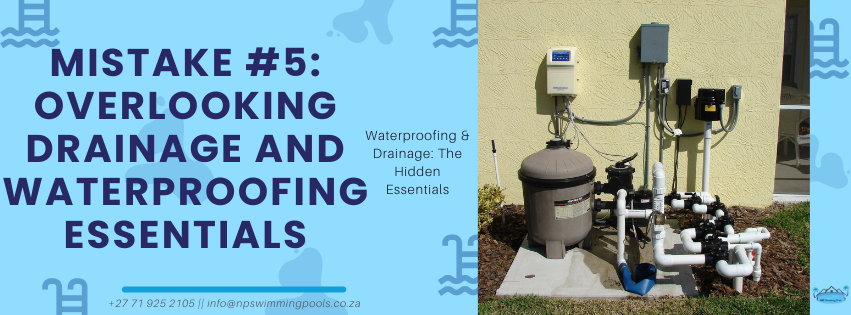
Drainage and waterproofing are two terms that might sound technical or secondary, but are absolutely vital to the health of your pool.
Poor drainage around the pool can cause soil erosion, foundation movement, and water seepage, which are all silent destroyers. Water pooling around your pool structure doesn’t just look bad; it can destabilize the entire foundation.
Similarly, waterproofing failures allow moisture to penetrate where it shouldn’t. This can lead to mold growth, structural decay, and the dreaded leaks that keep recurring, no matter how many times you patch the surface.
It’s easy to miss these details because they’re “invisible” problems. But here’s the catch: ignoring them is like building a house without a proper foundation. Eventually, everything cracks and crumbles.
Experts stress investing in high-quality waterproof membranes and efficient drainage systems. When repairing, make sure contractors check the pool’s substructure and surrounding soil conditions. This might be a hidden cost upfront, but it’s an insurance policy against far bigger expenses later.
Mistake #6: Skipping Regular Inspections and Ongoing Maintenance After Repairs
Here’s a confession: many pool owners feel relieved once the repair is done and think their job is over. We get it, it’s exhausting and costly. But the truth is, post-repair care is where many pools fall apart again.
Regular inspections can catch new issues early, keeping small cracks or leaks from becoming disasters. A consistent maintenance routine, including cleaning, chemical balancing, and equipment checks, extends the lifespan of your pool and reduces repair frequency.
Sometimes, we also wonder why more people don’t schedule periodic professional inspections. Maybe it’s cost, maybe it’s forgetfulness, but the experts agree it’s one of the best investments in pool longevity. If you want a good template for maintenance schedules, check out industry groups like the Pool & Hot Tub Alliance, which provide helpful resources tailored to different pool types.
Conclusion: Think Long-Term, Act Smart

Let's be clear: pool repair is complex, and mistakes are easy to make. But avoiding the common pitfalls I’ve outlined here will set you on the path toward a pool that’s not just beautiful but safe and durable.
It’s tempting to cut corners, delay fixes, or treat symptoms without digging deeper. But the best approach is thoughtful, well-informed, and proactive. Choose contractors carefully, prioritize structural integrity, and never underestimate the power of proper materials and maintenance.
Owning a pool should be a source of enjoyment, not a financial drain or a stress trigger. By investing wisely and paying attention to expert advice, you can protect your pool and your peace of mind for years to come.
