

Introduction
Pools here in South Africa, just like anywhere else, are woven into our weekends, our summer escapes, our rhythms of rest. When the sun finally relents and the breeze whispers relief, a chilled pool is nothing short of revival. But after years under our sun and our care, pools age. Fading plaster, slow leaks, algae that just won’t quit. And suddenly, the itch to renovate is about reclaiming a part of your home you’ve given up.
I’ve put together this guide because fixing up a pool can feel overwhelming. But it doesn’t have to. Think of it as a chat with your neighbour over a cup of rooibos; plainspoken, honest, sometimes hesitant, but grounded. At some point, you might ask yourself: Am I biting off too much? Maybe. But a clear plan can make it manageable.
1. Assessing the Current State of Your Pool
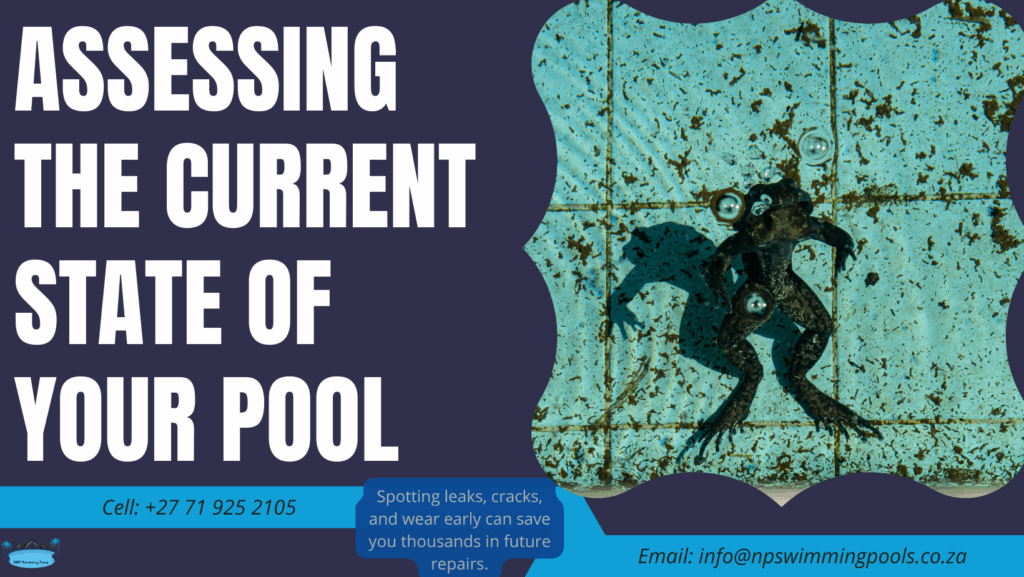
Take a walk around your pool in the early morning or late afternoon; light angles reveal things. Do you spot hairline cracks in the marbelite? A pale green halo around the skimmer? Often, those are cosmetic, but sometimes they signal hidden problems. I remember pausing over a pool just like that, half‑hoping it was only stains, only to learn I’d neglected the circulation system too long.
If your pool loses water on a still day, it’s time to test. Water‑level checks, dye tests, pressure tests, or even a little waterproof camera exploration - these matter because patching in the dark only leads to surprises. I’ve seen homeowners patch a leak and then watch the water level dip again a week later with sheer frustration.
Here’s a bit of honesty: I used to patch relentlessly until I stopped asking the question: “Is this simply cosmetic, or is it time for a deeper fix?” If your pool is older than, say, 15 years and problems keep popping up, maybe it’s signalling that a renovation is overdue.
2. Setting a Realistic Budget and Timeline
Talking money always feels a bit awkward, but let’s get it out in the open. For minor repairs or resurfacing, you’re typically looking at around R8 000 to R15 000, depending on the scope. If you’re upgrading equipment or materials, and I mean proper resurfacing like new tiles or marbelite, that usually means R70 000 to R120 000 or more for a basic installation, with high-end pools pushing well above that mark. Pool services such as The Ultimate Pools & Gentle Pools ZA report figures in that range, well worth bookmarking. For full-scale renovations or bespoke pools, expect budgets from R100 000 to R250 000 depending on size and complexity (Axioprojects.com’s guide gives that range).
And don’t overlook the “silent extras.” Municipal permits, water‑refill costs (not insignificant these days), debris disposal, and maybe skip hiring for rubble. You’ll see those little costs pop up if you don’t note them ahead of time; it’s something I’ve learned the hard way.
As for timing, I’ve tried both: renovating under the summer sun and tackling the work in late winter. The slower season allows for more thoughtful work and can even open room for a little negotiation. In my experience, the best payoff is a stress‑free spring and a pool ready when the first heat wave hits.
3. Choosing Between Repair and Full Renovation

Let’s get candid: I’ve patched a leak three times before giving in to full renovation. I’ve resealed tiles only to uncover more cracks underneath. If you ask yourself, “Am I just papering over cracks?” you might already know the answer.
When I ask, “Is this surface‑level, or cumulative?” the difference is between temporary comfort and long‑term peace of mind. A pool under 10 years old, with isolated flaws? Yes, maybe a patch job works. But once you’ve had recurring leaks, pump inefficiencies, or a thinning shell, it makes sense to consider a full renovation. The upfront cost is higher, but so is the payoff. Fewer maintenance headaches, energy savings from modern equipment, and a pool that feels effortless rather than fragile.
4. The Pool Repair and Renovation Process Explained
Draining and Surface Preparation
Everything starts here. Water out, surface cleaned, old plaster or finish stripped back. Whether it's sandblasting or chemical stripping depends on the finish; believe me, cutting corners here leads to problems later.
Structural and Plumbing Work
This phase can feel dramatic: rebar going in, crack stitching, piping replaced, skimmers and returns refitted, and often electrical upgrades. I always ask: “If these old pipes haven't failed yet, why not replace them now while we're open anyway?” A good contractor will respect that question.
Resurfacing
This is where you transform your pool’s personality. Locally, marbelite remains popular: textured, tactile, forgiving. Fibreglass offers a smooth, sleek finish, though typically costlier. Tiles, especially glass mosaic or pebble‑crete, feel upscale; just ensure the team installing them knows their margins. If it’s important to you, don’t settle for second‑best here.
Aesthetic Enhancements
This is where the magic happens. LED lights under the water, travertine or stone coping, non‑slip ceramic decking, even lipless overflow edges if your site allows; it’s where function meets ceremony. A moment I’ll never forget was standing back once the coping and decking were done, watching my kids splash in the new light at dusk. That laughter and the soft glow made every rand worth it.
5. Hiring the Right Contractor in South Africa

Look for accreditation with the National Spa and Pool Institute (NSPI). That’s a signal you’re dealing with professionals recognised by the industry, the NSPI website confirms their role in accrediting pool builders and installers. If a builder asks for full payment up front or answers your questions with vagueness, pause. Ask for warranties. Ask for past clients’ contact details. Visit completed jobs if you can.
I interviewed two contractors for my own renovation. One was straightforward, with neat past projects and clear terms. The other had weeks of delays, cracked finishes afterwards, and poor cleanup. Only one delivered on the promise, and I still get compliments from neighbours years later. Lesson learned: vet thoroughly, don’t settle quickly.
6. Post‑Renovation Maintenance Essentials
One of my more embarrassing mistakes was diving into a newly restored pool, first weekend post-renovation, only to stir up new plaster before it cured. If you rush it, you risk ghosting finishes or etching the surface. So be gentle the first few weeks.
Once the pool’s balanced, keep an eye on pH, alkalinity, and calcium hardness. I used to guess, and regretted it when etching showed up. Now I’m methodical. Beyond that, brush, clean filters, run pumps, and schedule regular chemistry checks. It sounds tedious, but steady habits mean your pool stays pristine. Letting things slide is what leads to major repairs.
7. Personal Reflections

There’s something I want to share here: I once hesitated over adding solar heating. I asked myself, “Is this overkill? Can I live without it?” I chose to install a modest system, and within two summers, it effectively paid for itself in reduced electricity costs and longer swim seasons. Looking back, I wish I’d done it sooner.
Another moment I had was standing by the pool late one evening, and the thought was: “Maybe everyone else’s flaws don’t bother them. Maybe my pool doesn’t have to be perfect.” But then I realised the water felt different once I re‑plastered fully, the edges felt solid underfoot, and that made me believe I was worth smooth resilience, not patchwork. It’s personal. Pools are personal.
Conclusion
Renovating your pool in South Africa isn’t just a project; it’s a reconnection with rest, with luxury, with your own slice of home. And yes, you might wonder: “Is this too much effort? Too much money?” I’d say: not if you plan well, choose smartly, and honour your pool with regular maintenance. The return is the way late afternoon light plays on the water, how easy it is to host friends, and how quiet and cooling your garden becomes in summer.
Take it slow. Budget candidly. Choose professionals who stand by their word. And when you finally sit by that water, perhaps with a cool drink and something fizzy, it’ll feel exactly right.
